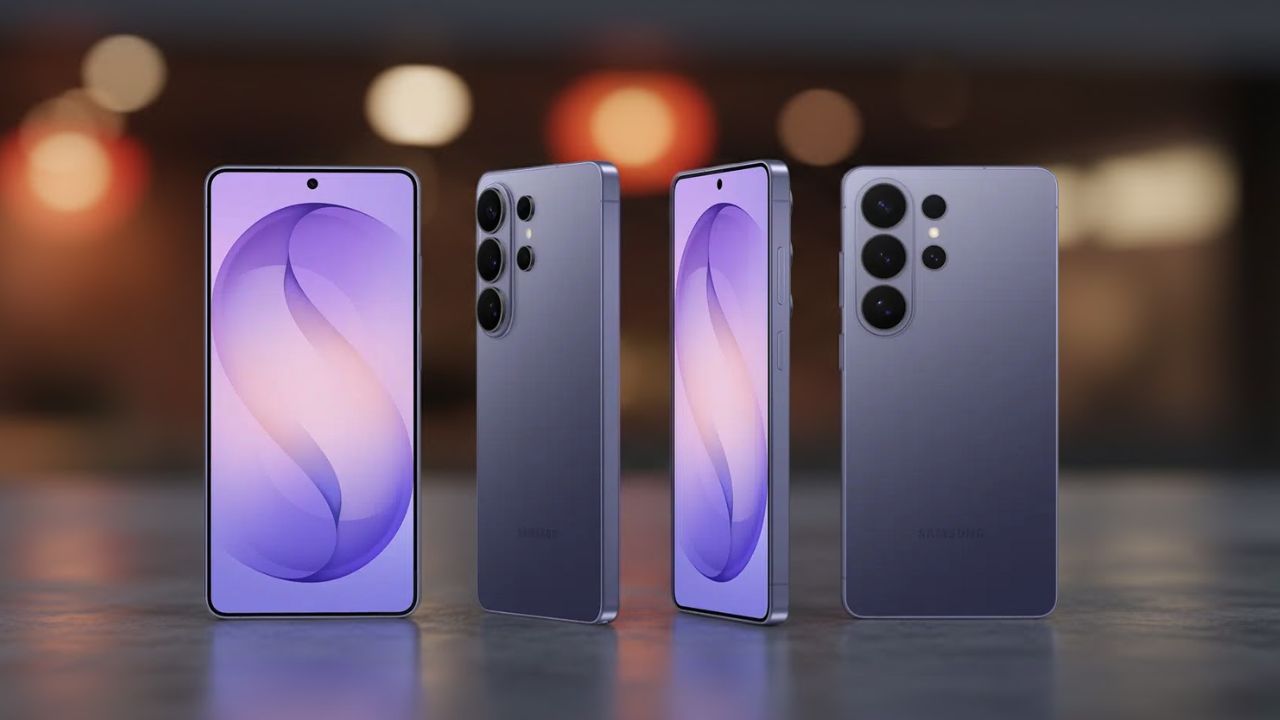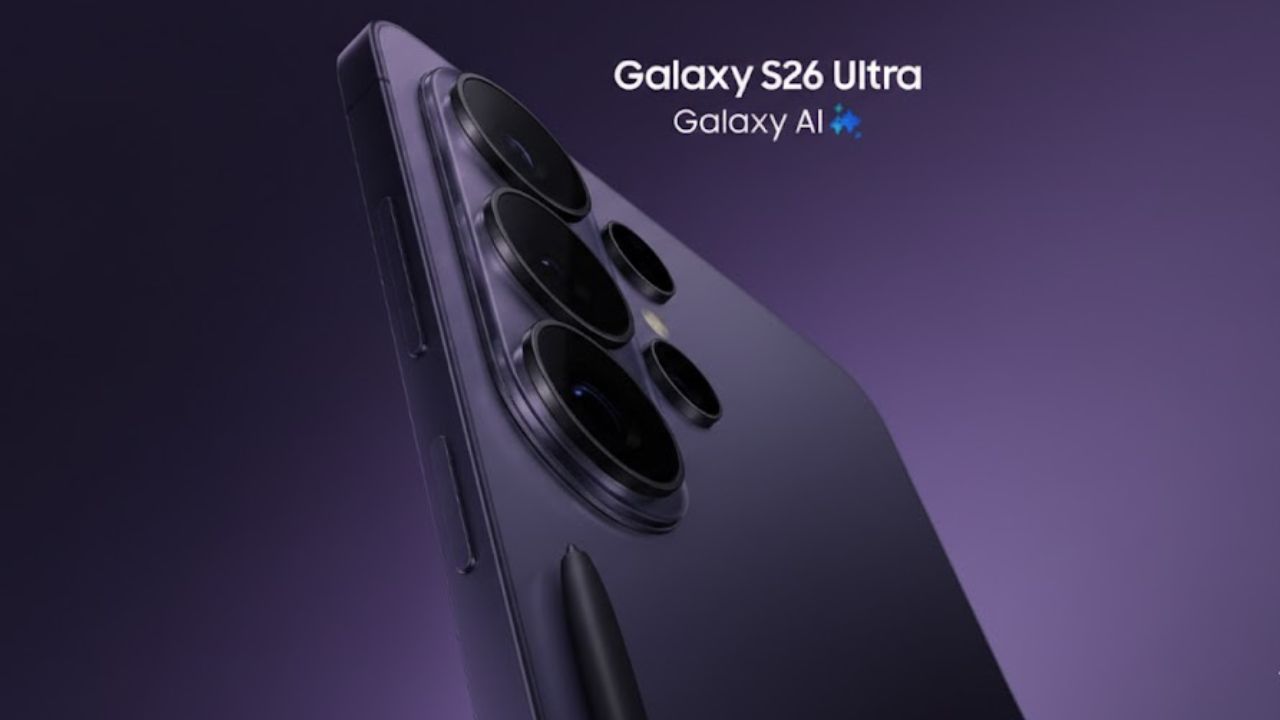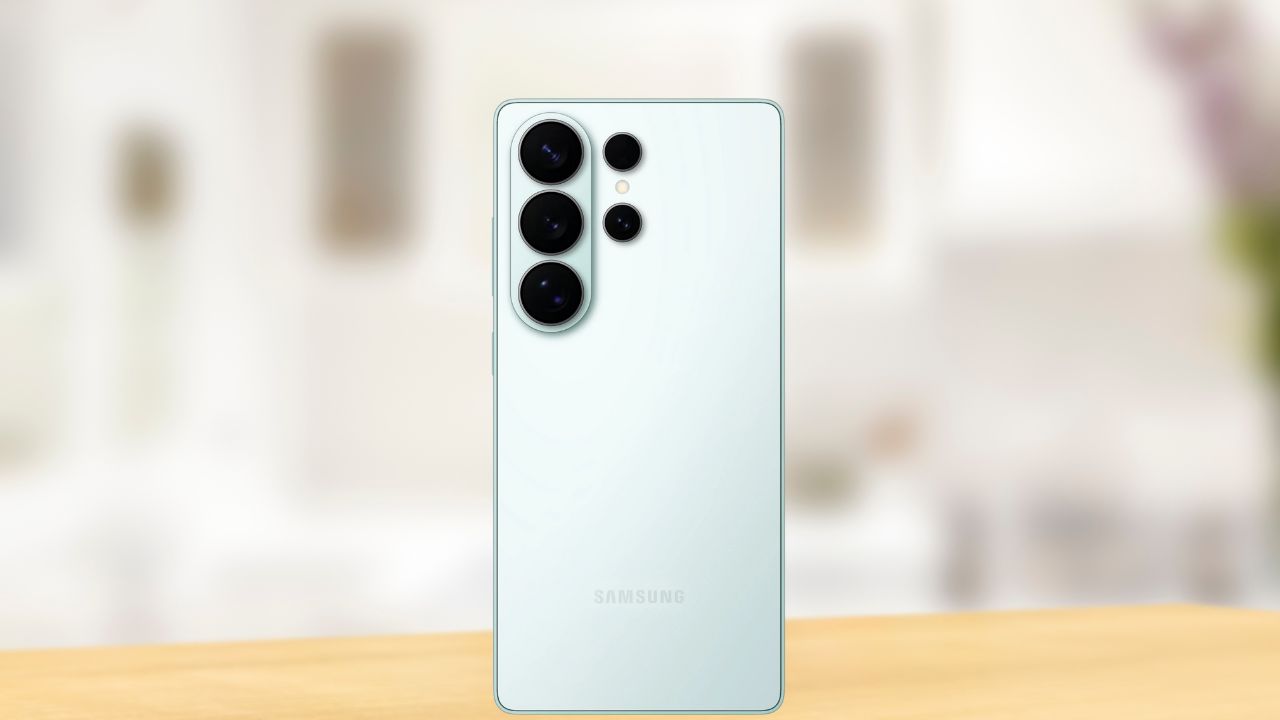
A new report has surfaced regarding Samsung’s upcoming flagship Galaxy S26 Ultra and Galaxy S27 Ultra series, which reveals important information about the battery capacity of both smartphones. According to the reports, the company is going to offer a 5000mAh battery in both Ultra models, meaning Samsung will retain the same capacity that has been used for several years.
This information has come at a time when major battery companies around the world have already started mass production of Silicon Anode Li-ion batteries. However, Samsung SDI still appears to be lagging behind in making this technology available at the commercial level.
5000mAh Battery in S26 Ultra and S27 Ultra, No Major Upgrade
The Latest Leaked Report States:
- Galaxy S26 Ultra: 5000mAh battery
- Galaxy S27 Ultra: 5000mAh (expected, not yet confirmed)
This means Samsung is not planning any major changes in battery capacity for the next two Ultra generations as well. At a time when other brands are rapidly adopting new battery innovations, Samsung’s decision may disappoint many users.
Other Companies’ Silicon Anode technology is being adopted, with Samsung SDI also following behind
Let us tell you that companies like ATL and COSMX have successfully started the mass production of silicon-anode batteries, and several smartphone brands are already using this battery technology.
Advantages of silicon-anode batteries:
- 10–30% higher energy capacity compared to traditional Li-ion
- Better performance
- Faster charging
- Longer battery life
Despite this, Samsung SDI—Samsung’s battery-manufacturing unit—has not yet prepared to bring it to commercial devices.
Industry sources say that issues like thermal management and long-term stability with this technology still need more work.
Why is Samsung Not Using the New Battery Technology?
What are the reasons Samsung is not adopting the new battery technology? We believe these may be the major reasons:
- Safety First Approach
After the Note 7 battery controversy, Samsung has become extremely cautious. Silicon-anode cells carry a higher risk of swelling, which Samsung considers risky at the commercial level. - Production Yield Issues
Samsung SDI has still not been able to stabilize the mass production yield of silicon-based cells. - Heat Management Challenges
Silicon batteries tend to get hotter—making them challenging for high-performance phones like the Ultra series.
Perhaps these are the reasons Samsung is not using the new battery technology recently, but Samsung may use new battery technology in its upcoming phones. What do you think? Do share your opinion in the comments.
What Does This Mean for Galaxy Users?
It’s now clear that Galaxy S26 Ultra and S27 Ultra users will still not see a major upgrade in battery capacity.
In such a case, improvements in battery life will mainly come from:
- New Power-Efficient Processor
- Better Optimization
- Software-Level Enhancements
Samsung may begin using silicon-anode batteries in the Galaxy S28 Ultra or later—but as of now, there is no official confirmation.
Full Report Details
This new report regarding the S26 Ultra and S27 Ultra batteries indicates that the company is not in the mood to provide any major battery upgrades in its Ultra series at the moment. While the industry is moving toward silicon-anode batteries, Samsung SDI still wants to conduct more tests before adopting this technology commercially. Users will have to rely on efficiency-based battery improvements for the next few years.
SEE ALSO: Samsung Is Bringing Back the A7x Series…Specs And leak Geekbench Score!