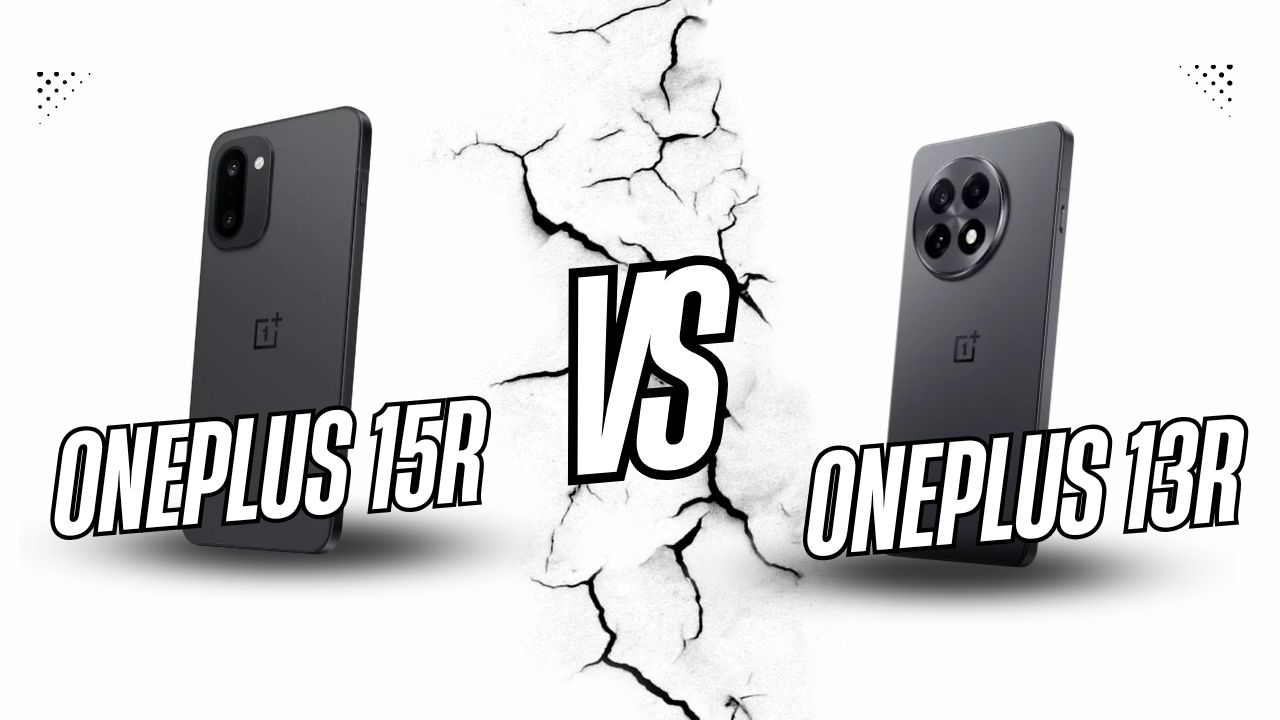
OnePlus’s R-series has always been popular among users who want flagship-level performance but without the heavy pricing of Pro models. So, after the arrival of the OnePlus 15R, a natural question arises in the minds of OnePlus 13R users: Is it really a big upgrade over the OnePlus 13R, or just a minor improvement?
In this article, we will do a detailed comparison of the OnePlus 15R and OnePlus 13R so that you can clearly understand how the new model is different and how much the price increase is justified. So let’s find out everything in detail in this simple guide.
What has changed in the Display and Refresh Rate?
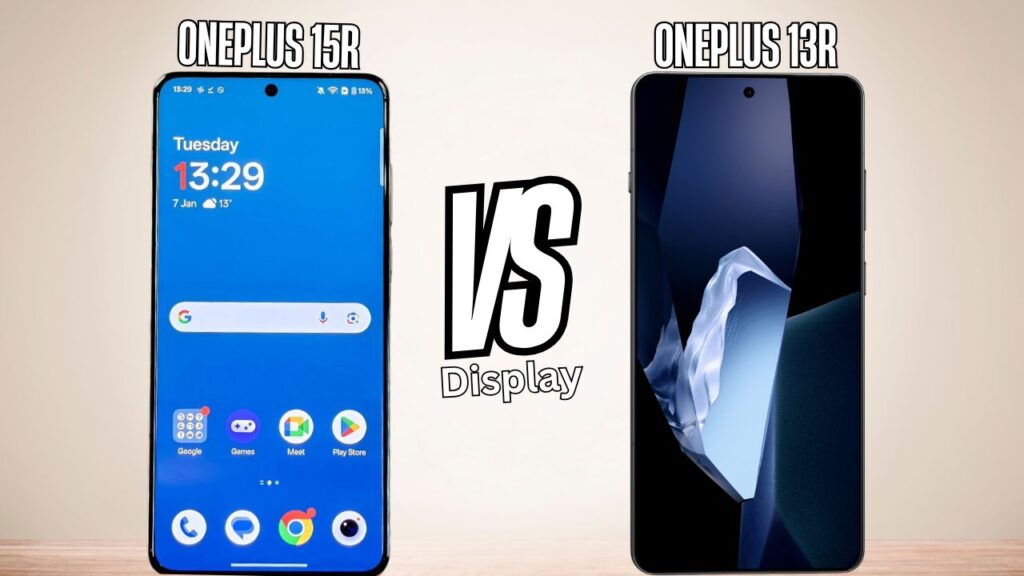
The OnePlus 15R comes with a larger 6.83-inch 1.5K display, which is slightly bigger in size compared to the 6.78-inch panel on the OnePlus 13R. Although the resolution is the same on both phones, the major difference can be seen in the refresh rate.
The OnePlus 15R features a 165Hz LTPS display, which can deliver a smoother experience during gaming and fast scrolling. On the other hand, the OnePlus 13R gets a 120Hz LTPO panel, which is considered better for battery efficiency due to its adaptive refresh rate.
This means the 15R focuses more on smoothness, while the 13R follows a balanced approach. However, if you are not into heavy gaming, a 120Hz refresh rate is more than sufficient for daily use. Apart from this, there is no major difference in display size; the upgrade from 13R to 15R is only around 0.05 inches. Looking at this, we can say that the OnePlus 13R is still a very good option.
Performance: Snapdragon 8 Gen 5 vs Gen 3
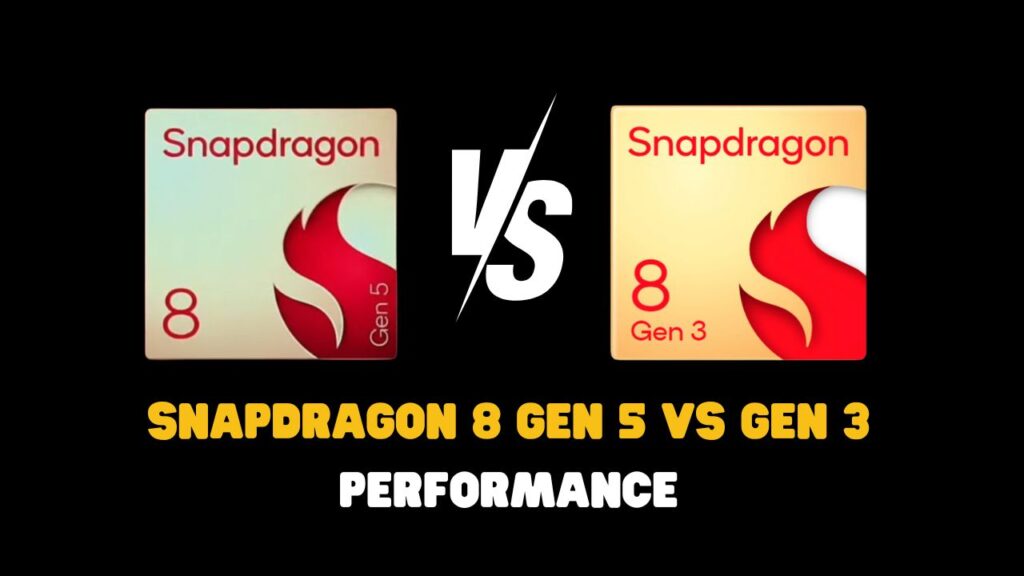
In terms of performance, the OnePlus 15R clearly looks ahead. This is because it comes with the latest Snapdragon 8 Gen 5 chipset, which is more powerful and future-ready compared to the Snapdragon 8 Gen 3 used in the OnePlus 13R.
This means that if you prioritize heavy gaming, multitasking, and long-term software support, the OnePlus 15R may be a stronger option. The OnePlus 13R remains very powerful today, but in the coming years, the advantages of Gen 5 will become more evident.
Overall, the OnePlus 15R wins in the performance department because when you are investing around ₹45,000, performance should be your top priority.
Camera Setup: Where is the practical difference?
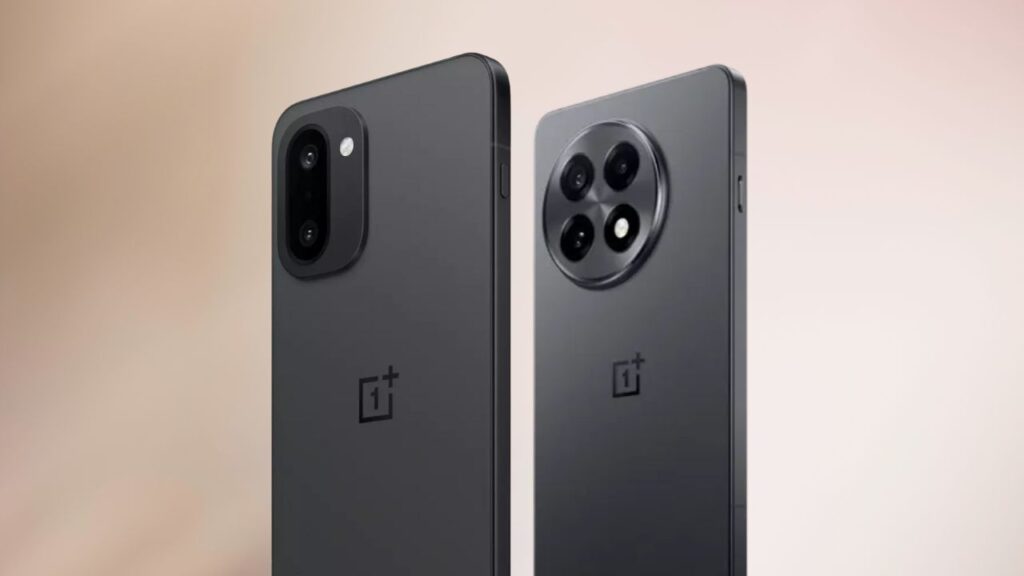
If we talk about the rear camera setup, both phones look quite similar. The OnePlus 15R comes with a 50MP main + 8MP secondary camera, while the OnePlus 13R includes an additional 50MP 2x telephoto lens along with these.
In terms of photography, the OnePlus 13R can be a better choice for users who take a lot of zoom shots. However, when it comes to the front camera, the OnePlus 15R has an advantage, as it offers a 32MP selfie camera, whereas the 13R comes with only a 16MP front camera.
Overall, both phones are best in their own way in the camera department. If you are a OnePlus 13R user, do share your camera experience with us in the comments.
Battery and Charging Experience
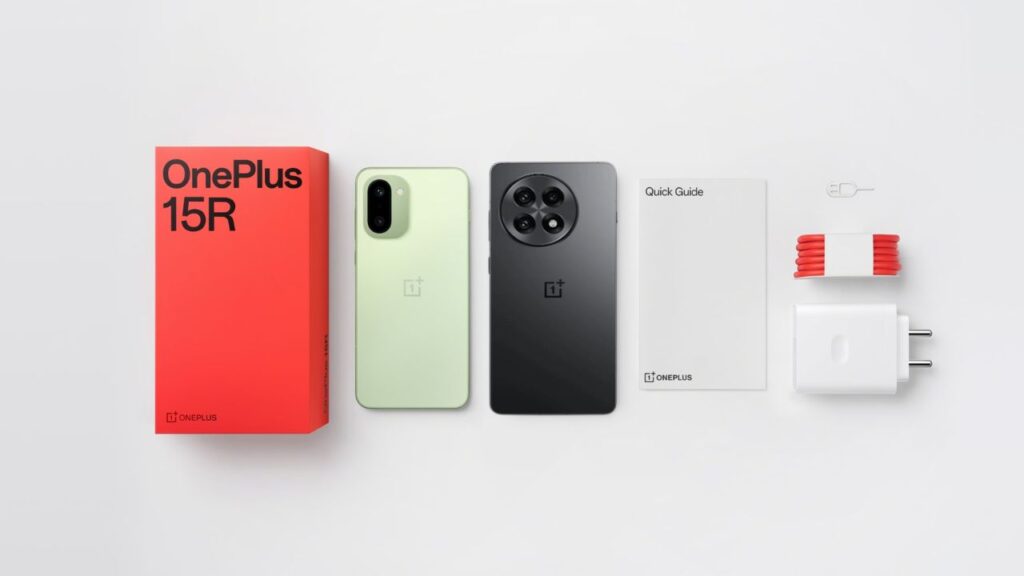
This time, OnePlus shows a big jump in the battery department with the OnePlus 15R. It comes with a massive 7400mAh battery, which is significantly larger than the 6000mAh battery found in the OnePlus 13R.
For heavy users, gamers, and content consumers, this difference will be clearly noticeable in real-world usage. A bigger battery means more screen-on time and less charging anxiety.
Overall, in the battery department, the OnePlus 15R is ahead of the OnePlus 13R. Its 7400mAh battery is 1400mAh larger than that of the 13R, which will help you use your phone for longer durations in real-life usage.
Security, Build, and Protection
In terms of security, the OnePlus 15R comes with an ultrasonic fingerprint sensor, which is considered faster and more secure. The OnePlus 13R, on the other hand, uses a traditional optical fingerprint sensor.
When it comes to protection, the OnePlus 15R offers IP68/IP69 ratings, while the OnePlus 13R is limited to an IP65 rating. Both phones come with a metal frame, so the premium feel remains common on both.
Overall, in the areas of security, build, and protection, the OnePlus 15R stands out as the better option. The ultrasonic fingerprint sensor and IP68/IP69 rating make it a more reliable choice for long-term use, suitable for both normal and heavy usage.
OnePlus 15R vs OnePlus 13R Comparison

| OnePlus 15R | OnePlus 13R |
|---|---|
| 6.83-inch 1.5K display | 6.78-inch 1.5K display |
| 165Hz LTPS refresh rate | 120Hz LTPO refresh rate |
| Snapdragon 8 Gen 5 chipset | Snapdragon 8 Gen 3 chipset |
| 50MP main + 8MP secondary rear camera | 50MP main + 8MP secondary + 50MP 2x telephoto |
| 32MP front camera | 16MP front camera |
| 7400mAh battery | 6000mAh battery |
| Ultrasonic fingerprint sensor | Optical fingerprint sensor |
| IP68 / IP69 rating | IP65 rating |
| Metal frame | Metal frame |
| Price: ₹47,999 | Price: ₹42,999 |
Price Comparison and Final Thought
Talking about the price, the OnePlus 15R is priced at ₹47,999, while the OnePlus 13R is available for ₹42,999. This means there is a price difference of around ₹5,000.
It is worth noting that if there had not been a global increase in memory pricing, it is quite possible that the OnePlus 15R would have launched at a price closer to the 13R. However, considering the better processor, bigger battery, higher refresh rate, and improved protection, this price hike does not feel completely surprising.
If you are still wondering which one to choose between the OnePlus 15R and OnePlus 13R, the answer depends on your budget. If you are already using the OnePlus 13R and it fulfills your needs, upgrading to the OnePlus 15R may feel like a waste of money. However, if you are planning to buy a new phone and your budget is under ₹50,000, then the OnePlus 15R can be a very good option for you.
SEE ALSO: OnePlus 15R Details, Expected Specifications, and Price