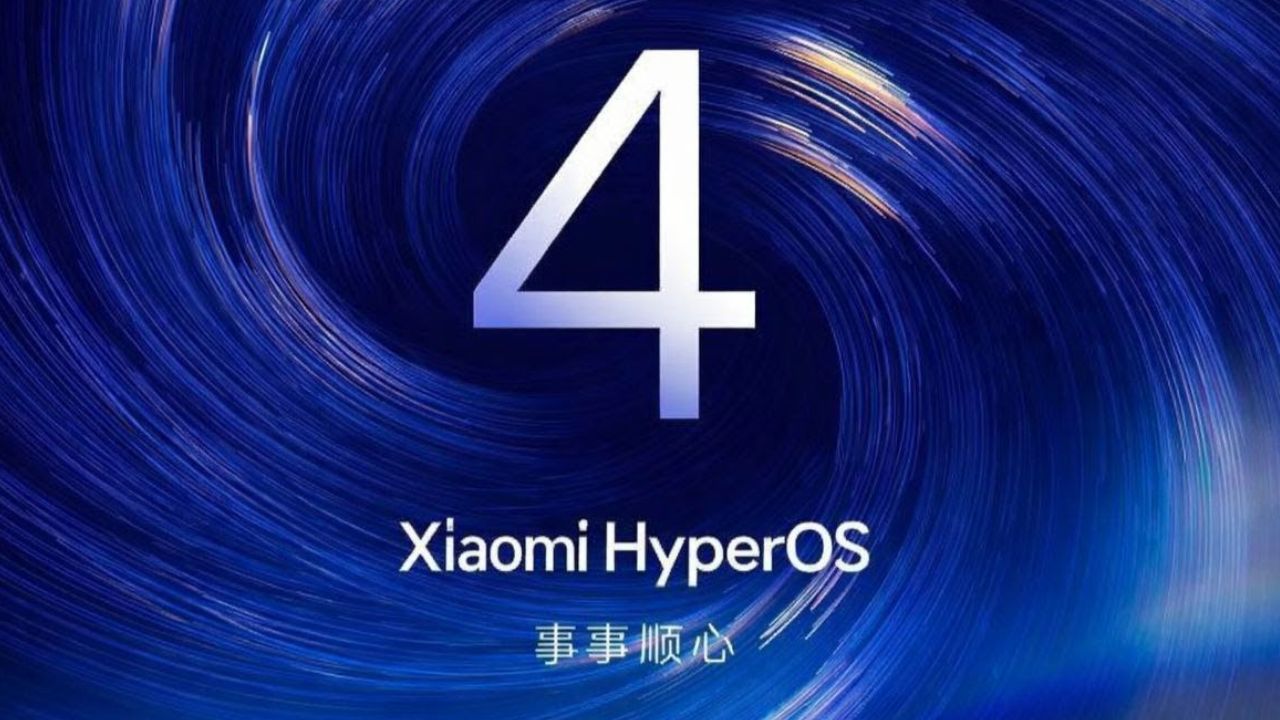
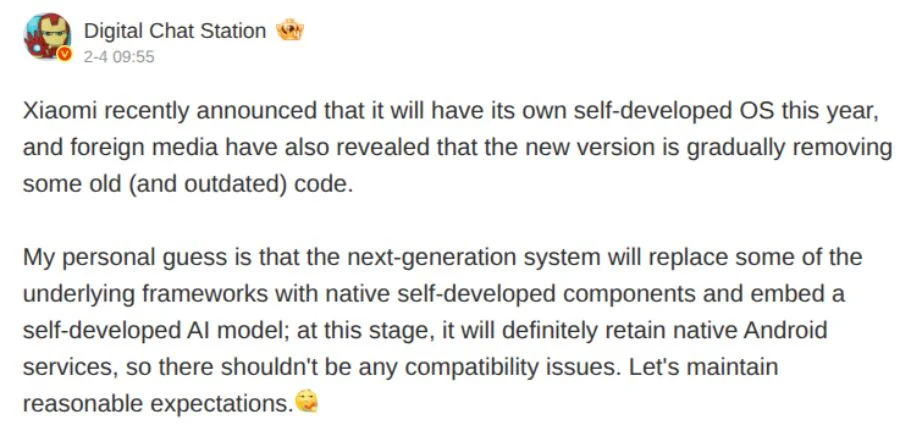
Xiaomi HyperOS 4 Leak: According to recent leaks and industry reports related to Xiaomi’s HyperOS 4, the company may significantly redesign the system’s internal architecture, marking a major shift away from its older MIUI identity. Overall, this move reflects Xiaomi’s broader ambition to gain greater control over its software ecosystem, while still maintaining compatibility with Android in the short term.
So now, let’s take a look at what changes we might see in HyperOS 4 based on these leaks.
Xiaomi HyperOS 4 Main Leak Details and Platform Direction
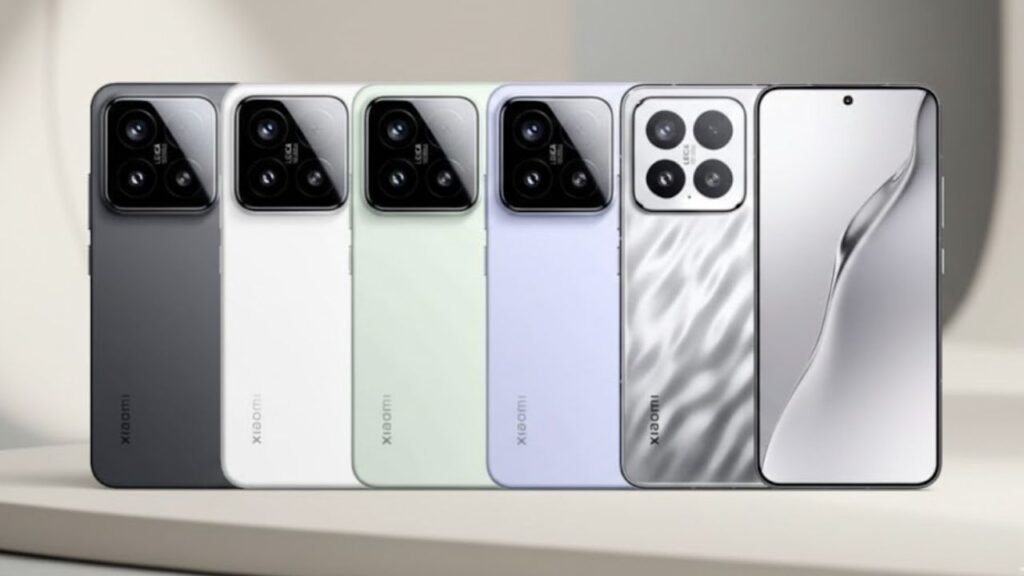
If we focus on Xiaomi and consider the information shared by XiaomiTime, HyperOS 4 may replace certain parts of the underlying Android framework with Xiaomi’s own native framework. However, during the initial rollout, native Android services are also expected to remain in place. It is being reported that the goal of this approach is to prevent compatibility issues with third-party apps. At the same time, if we closely analyze the data from several years of HyperOS updates, it becomes clear that Xiaomi is gradually moving toward a more independent system foundation.
In addition, the company is expected to integrate its own AI models directly at the system level. As a result, HyperOS 4 may become less dependent on external AI frameworks over time, enabling better optimization between hardware, software, and artificial intelligence. On the other hand, it is also said that Xiaomi is proceeding cautiously, prioritizing stability and ecosystem compatibility above all else. What is your opinion on this? Do let us know.
Official Vision and Ecosystem Strategy
Xiaomi has already outlined its long-term vision, describing 2026 as the year of “Grand Convergence.” It is worth noting that in official company statements, the brand has emphasized its goal of building a unified ecosystem that combines a self-developed chip, a self-developed operating system, and large AI models. Additionally, the XRING O1 chip introduced in 2025 was described as the first practical step toward this broader strategy.
Overall, HyperOS 4 appears to serve as the software foundation of this plan. Although Xiaomi has not yet officially confirmed the technical details, this direction seems closely aligned with its stated ambition to control more layers of the technology stack.
System Apps, SDK Transition, and Development Tools
It should be noted that early signs of this transition are already visible in HyperOS 3.1. According to reports, several system apps, including the Weather and Photo Album apps, have begun removing MIUI SDK components. Furthermore, Xiaomi has reportedly introduced a native HyperOS SDK, while retaining the MIUI SDK to ensure backward compatibility.
For this reason, HyperOS 3.1 is being seen as a transitional release. Additionally, Xiaomi is reportedly experimenting with modern development technologies such as Google’s Flutter framework and the Rust programming language. Because of this, there is strong reason to believe that HyperOS 4 may adopt a more modular architecture, making component updates easier and improving long-term maintenance.
Expected Timeline and Availability
Based on current reports, HyperOS 4 is expected to launch around August 2026. However, Xiaomi has not yet confirmed any official launch schedule. Therefore, features, rollout plans, and supported devices may change before the final release. What do you think—when will HyperOS 4 begin rolling out?
What This Means Going Forward
Overall, HyperOS 4 could prove to be a turning point for Xiaomi’s software ecosystem. If the reported details turn out to be accurate, users may receive a more deeply integrated OS experience in the long run. However, since all details about HyperOS 4 are currently based on leaks and early development information, the final implementation will only become clear once Xiaomi makes an official announcement. We will bring you that information first, so stay connected with Phone Jagat.
SEE ALSO:
- Xiaomi Redmi POCO Bug Fix Update Released: HyperOS Fixes Gaming, NFC & Reboot Issues
- HyperOS 3 Stable Update Released: 12 Xiaomi, Redmi & POCO Devices Get Android 16
- HyperOS 3 Update Issues: POCO F7 & Redmi Note 14 Pro+ Bugs, Fixes & Solutions Explained
- HyperOS 3 Officially Rolls Out in India for Xiaomi 15 & 15 Ultra with Android 16